TL;DR
- Virtual interviews have become permanent fixtures in hiring processes, offering flexibility and broader talent access, though they present challenges in assessing interpersonal dynamics and require new technical considerations.
- AI-powered assessment tools are revolutionizing candidate evaluation by analyzing verbal responses, facial expressions, and behavioral patterns, but raise important concerns about bias and the need for human oversight.
- Immersive technologies like VR are enabling realistic job simulations that test practical skills and situational judgment in ways traditional interviews cannot, particularly valuable for technical and hands-on roles.
- Gamification and skills-based testing provide concrete evidence of problem-solving abilities and work styles through interactive challenges, revealing personality traits and cultural fit more effectively than hypothetical questioning.
- Data analytics and predictive modeling are making hiring more scientific by identifying patterns between interview performance and job success, while mobile-first approaches are making interviews more accessible for diverse candidate pools.
The landscape of job interviews has undergone a dramatic transformation over the past decade, accelerated by technological advancements and global shifts in work culture. What once consisted primarily of face-to-face conversations in conference rooms has evolved into a diverse ecosystem of interview formats, each leveraging different technologies to assess candidates more effectively and efficiently. As we navigate this new era, both employers and job seekers must adapt to an increasingly sophisticated array of interviewing methods.
The Rise of Virtual and Remote Interviewing
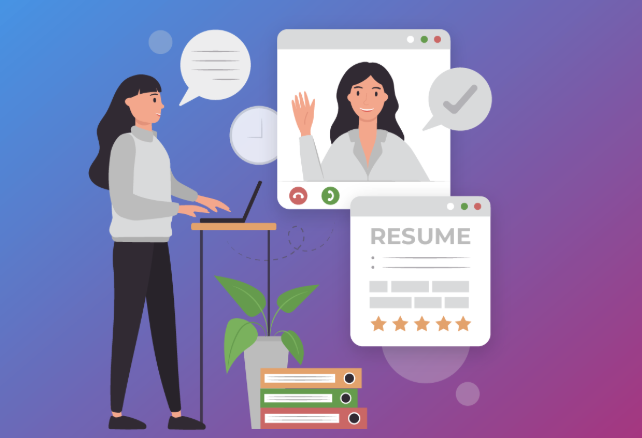
The most visible change in interviewing practices has been the widespread adoption of virtual interviews. Video conferencing platforms like Zoom, Microsoft Teams, and Google Meet have become as commonplace as the traditional handshake once was. This shift, initially driven by necessity during the global pandemic, has proven so effective that many organizations have permanently integrated virtual interviews into their hiring processes.
Virtual interviews offer unprecedented flexibility and cost-effectiveness. Candidates no longer need to take entire days off work or travel across the country for initial screenings. Employers can access talent pools that were previously geographically inaccessible. However, this convenience comes with challenges—technical difficulties can disrupt conversations, and the subtle nuances of in-person interaction can be harder to assess through a screen.
The asynchronous video interview has emerged as another powerful tool. Platforms like HireVue and Spark Hire allow candidates to record responses to predetermined questions at their convenience, while giving hiring managers the ability to review these responses on their own schedules. This approach standardizes the interview process and eliminates scheduling conflicts, though it sacrifices the spontaneous dialogue that often reveals the most about a candidate’s thinking process.
AI-Powered Assessment Tools
Artificial intelligence has introduced a new dimension to candidate evaluation that extends far beyond resume screening. AI-driven interview platforms can now analyze verbal responses, facial expressions, tone of voice, and word choice patterns to provide insights into candidate suitability. These systems claim to identify traits such as honesty, confidence, cultural fit, and cognitive ability with remarkable accuracy.
Natural language processing algorithms evaluate the content and structure of candidate responses, looking for indicators of problem-solving ability and communication skills. Meanwhile, sentiment analysis tools assess emotional intelligence and stress response patterns. Some platforms even track eye movement and micro-expressions to gauge authenticity and engagement levels.
While these technologies offer the promise of more objective evaluation, they also raise important questions about bias, privacy, and human elements that make for successful workplace relationships. The challenge lies in leveraging these powerful tools while maintaining fairness and human judgment in the hiring process.
Immersive Technologies and Skills-Based Testing
Virtual and augmented reality technologies are making their mark on interviews, particularly for roles requiring spatial reasoning or technical skills. VR interviews can simulate actual work environments, allowing candidates to demonstrate abilities in realistic scenarios without logistical complexity of on-site visits.
For technical positions, candidates might troubleshoot equipment in virtual manufacturing facilities or navigate simulated software interfaces. Healthcare professionals could demonstrate diagnostic skills in virtual patient scenarios, while architects might walk clients through virtual building designs. The aviation industry uses VR to simulate cockpit environments for pilot assessments, and emergency response organizations evaluate crisis performance through virtual scenarios.
Gamification represents another significant evolution in assessment methodology. Rather than relying solely on hypothetical questions, employers create game-like challenges that reveal problem-solving approaches, creativity, and persistence in real-time. Coding challenges have become standard in technology sectors, but the concept is expanding—marketing professionals develop campaigns for fictional products, while customer service candidates navigate simulated difficult interactions.
Puzzle-based interviews and escape room scenarios test analytical thinking and collaboration skills in dynamic environments. These interactive assessments provide concrete evidence of abilities and work styles that traditional interviews struggle to uncover, revealing how individuals work within teams, handle frustration, and communicate under pressure.
Mobile-First and Data-Driven Approaches
The proliferation of smartphones has enabled entirely new categories of interview experiences. Mobile-first platforms allow candidates to complete assessments, record video responses, and participate in live interviews using only their phones. This accessibility is particularly important for reaching younger demographics and candidates in regions where computer access may be limited.
Some organizations have implemented chatbot-driven preliminary screening processes that use conversational AI to conduct initial candidate evaluations. These bots can ask qualifying questions, schedule follow-up interviews, and provide immediate feedback about application status. While not suitable for final hiring decisions, these tools efficiently handle high-volume screening processes.
Behind many technological innovations lies sophisticated data analytics that promises to make hiring more scientific and predictive. Organizations collect vast amounts of data about their interview processes, candidate responses, and eventual job performance to identify patterns and optimize selection criteria. Predictive modeling algorithms analyze historical hiring data to identify which interview responses and candidate characteristics correlate with successful job performance.
Advanced analytics can also identify potential biases in the interview process by tracking which types of candidates advance through different stages and how various demographic groups perform on different assessment types. This visibility enables organizations to make data-driven adjustments to create more equitable hiring processes.
The Human Element in a Digital World
Despite all these technological advances, the fundamental purpose of interviews remains unchanged: to determine whether a candidate will be successful in a specific role and organization. Technology enhances our ability to gather and analyze information, but human judgment remains critical in interpreting results and making final decisions.
The most successful interview processes of the future will likely combine technological efficiency with human insight. AI might handle initial screening and skills assessment, but human interviewers will focus on cultural fit, leadership potential, and other nuanced qualities that require emotional intelligence to evaluate properly.
As we move forward, the challenge will be maintaining authenticity and personal connection in increasingly digital processes. Organizations that find ways to leverage technology while preserving the human elements of interviewing will be best positioned to attract and identify top talent in our rapidly evolving work landscape. The future lies not in choosing between human and technological approaches, but in thoughtfully integrating both to create assessment experiences that are more thorough, fair, and predictive than either approach could achieve alone.
Resources
Here is a list of books on interviewing!